 (424) 242-1130
Morphine, a powerful opiate used to treat severe pain, is among the most addictive prescription drugs.
This article will explore morphine abuse, its effects, signs and symptoms, and recovery options.
What is Morphine?
Morphine is an opioid medication used for severe pain, such as pain from cancer, labor pain during childbirth, or pain from acute trauma or surgery. It is a frequently prescribed medication for pain relief when other treatment options have proven inadequate or are not well-tolerated.
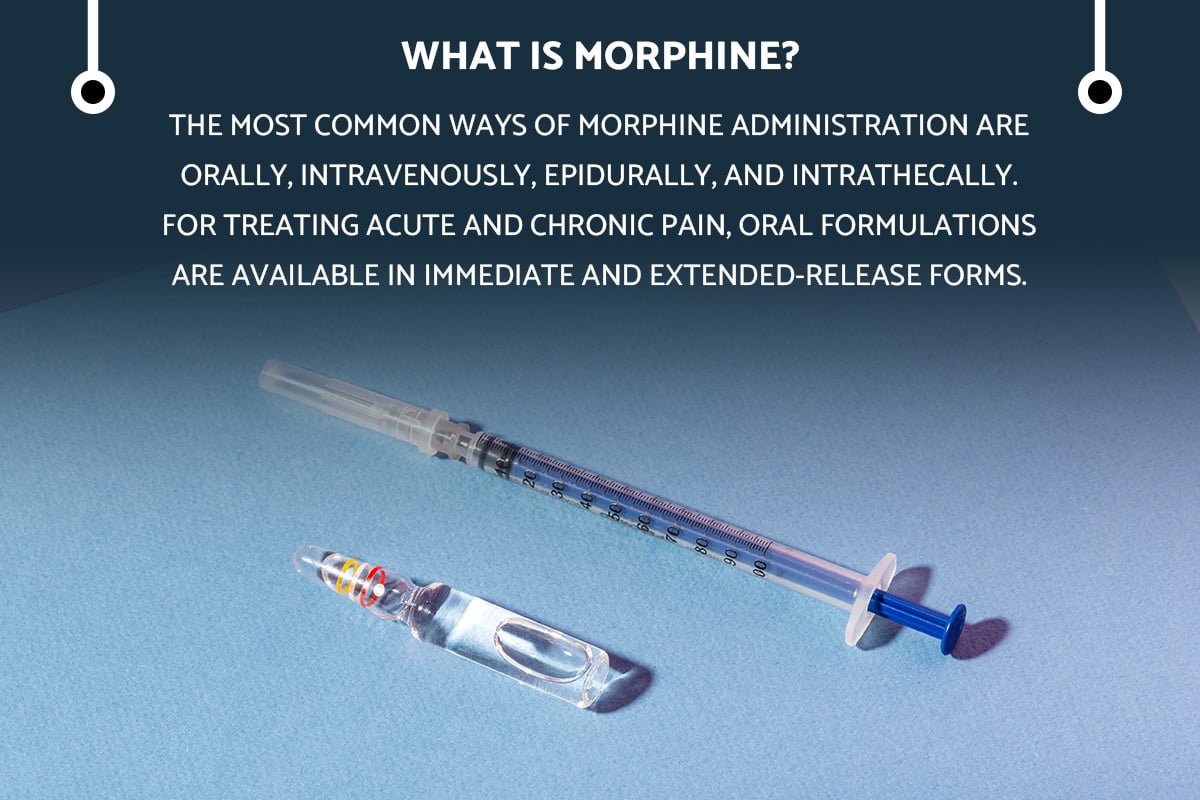
Morphine can be administered by various routes. The most common ways of morphine administration are orally, intravenously, epidurally, and intrathecally. For treating acute and chronic pain, oral formulations are available in immediate and extended-release forms. Severe and uncontrollable pain may be treated with single or continuous IV, epidural, and intrathecal preparations.
What Does Morphine Do Inside Your Body?
Morphine changes how your brain and spinal cord process pain, so signals that would normally feel intense get “turned down,” and the emotional distress around that pain softens too. Over time, some people start to rely on that numbness both physically and emotionally, which is how dependence gradually takes hold.
The effects of morphine include pain relief, euphoria, sleepiness, and changes in mood and behavior. The duration is determined by various factors, including how the medication is taken, how much is taken, and whether or not a drug tolerance develops.
In practice, many patients describe morphine not just as pain relief, but as a warm, heavy calm that makes problems feel far away for a few hours. For some, that calm becomes something they chase, even when the original injury is healing or gone, and their body and brain begin to expect the drug to feel “normal.”
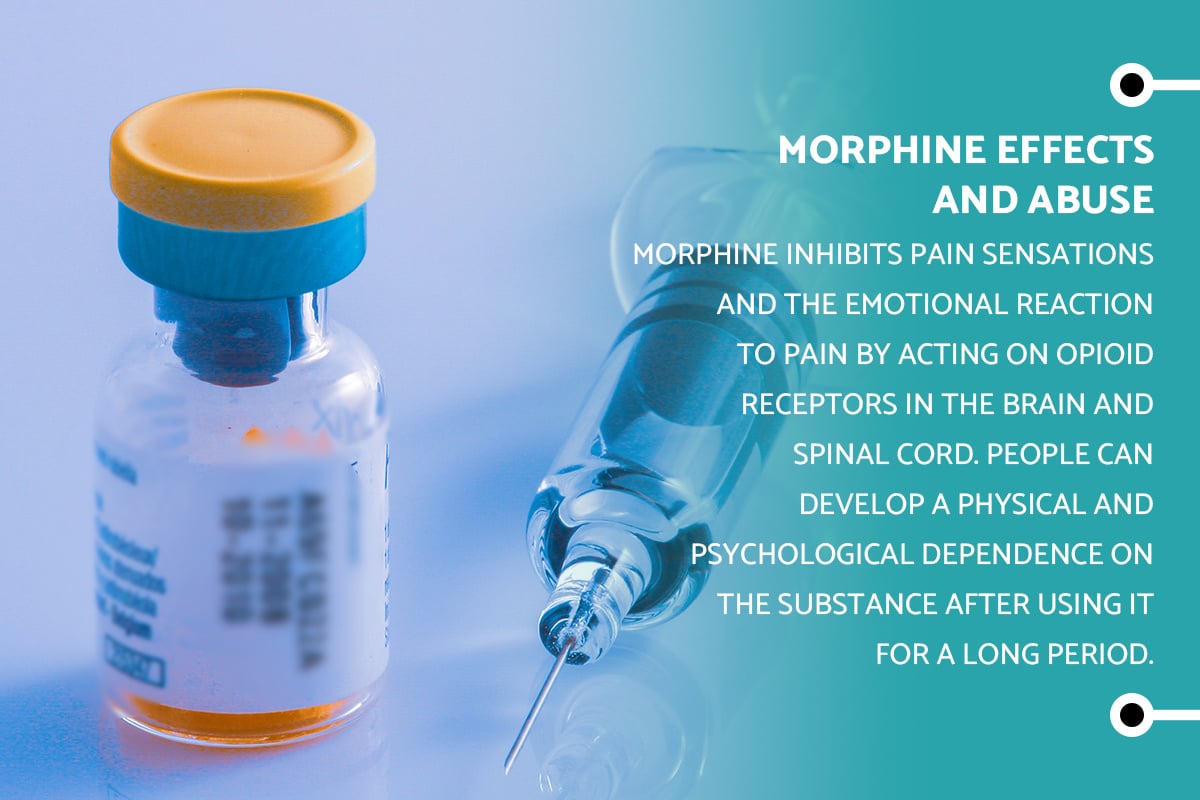
According to the Controlled Substances Act, morphine is a Schedule II narcotic. Drugs listed as Schedule II are those with a high risk for abuse and can cause severe psychological or physical dependence.
Symptoms of Morphine Addiction
If you’re concerned that someone close to you may be abusing narcotics, be on the lookout for these warning signs:
Behavioral symptoms:
- Neglecting daily responsibilities
- Frequent mood swings and irritability
- Doctor shopping or visiting multiple prescribers to obtain drugs
- Legal issues related to substance use
- Craving or obsessive thinking about morphine
Physical symptoms:
- Slurred speech or impaired coordination
- Dilated or pinpoint pupils
- Nodding off or excessive sleepiness
- Shallow or slowed breathing
- Weight loss or changes in appearance
Cognitive and emotional signs:
- Difficulty focusing or inattention
- Anxiety, nervousness, or restlessness
- Euphoria or unusually elevated mood
Morphine Addiction Statistics
Opioid addiction remains a significant public health issue with millions affected worldwide. While attention often focuses on fentanyl and heroin, morphine misuse still contributes notably to opioid dependence.
- Approximately 3 million people in the U.S. and 16 million globally suffer from opioid use disorders, including morphine dependence.
- Between 1999 and 2020, over 560,000 people in the U.S. died from opioid overdoses, with prescription opioids such as morphine playing a substantial role.
- Many cases of morphine dependence begin with prescribed use after injury or surgery and develop gradually without immediate recognition.
Understanding these numbers emphasizes the importance of early detection and monitoring when morphine is prescribed. The impact of morphine addiction extends beyond statistics, affecting individuals, families, and communities.
Morphine and Other Drugs
When receiving chronic morphine treatment, taking other drugs may raise your likelihood of developing respiratory problems, severe sedation, or coma.
It is highly dangerous to mix morphine with other central nervous system depressants since it is a central nervous system depressant. Central nervous system depressants like alcohol and benzodiazepines can cause life-threatening conditions when combined with morphine.
Inform your physician if you are taking or planning to use benzodiazepines, other narcotic painkillers, nausea or mental illness drugs, muscle relaxants, sedatives, sleeping tablets, or tranquilizers.
Call your doctor immediately or go to the emergency room if you observe your symptoms getting worse when taking morphine with any of these drugs.
The Effects of Geranylgeranylacetone on Morphine Treatment
Studies suggest that Geranylgeranylacetone (GGA) is found to be a potential therapy option for morphine-induced relapse.
Morphine is widely used as a clinical pain treatment, while GGA is a common treatment for ulcers. GGA stimulates the production of thioredoxin-1 (Trx-1), a redox-regulating protein that also has a protective role in the nervous system. In the study, researchers used animal models to discover the effects of GGA on the opioid receptor of morphine-dependent rats. The study demonstrated that GGA significantly protected against hyperlocomotion, rewarding effects, and withdrawal syndrome induced by morphine in the treated rats.
This new discovery sheds light on the potential benefits of GGA in treating withdrawal symptoms from morphine.
The Dangers Of Morphine
Morphine is a powerful pain reliever that can create life-threatening problems and even death. With continued use, it can cause dependence.
Moreover, the drug can cause morphine tolerance in people. If tolerance develops, this means that the drug becomes less effective. For instance, if you take a sedative to sleep, it can be highly effective at first. Yet you may build up a tolerance over time, meaning a higher dosage is required to get the same effects. When tolerance is reached, stopping morphine can be difficult since withdrawal symptoms will start to appear.
Also, morphine overdose happens when a person purposefully or unintentionally consumes an excessive amount of the drug.
In the event of an overdose, the following common effects may appear:
- Severely slowed or irregular breathing
- Constricted (small) pupils
- Bluish hue on the lips and fingertips
- Slow heartbeat
- A cold or clammy feel to the skin
- Nausea
- Vomiting
- Limp muscles
- Severe constipation
- Blurry vision
- Loss of consciousness
- Severe sleepiness
- Coma
Get emergency medical assistance immediately if you think you or someone you know may be having a morphine overdose.
Short-term Side Effects of Morphine
While taking opioids like morphine, the negative effects you encounter will vary depending on the amount, potency, and duration of treatment.
Short-term side effects of initial morphine use may include:
- Lower body temperature
- Changes in heart rate
- Dizziness upon standing up
- Slow breathing
- Nausea and vomiting
- Loss of appetite
- Constipation
- Itching
- Sleepiness
- Confusion
- Weakness
- Nervousness/ anxiety
- Difficulty urinating
- Erectile dysfunction
Long-term Side Effects of Morphine
Long-term morphine use can have negative consequences on your gastrointestinal tract, hormones, and immune system, among others:
- Poor appetite
- Chronic constipation
- Stomach pain
- Reflux
- Bloating
- Weight loss
- Dry mouth
- Increased blood sugar
- Osteoporosis and risk of fractures
- Immune-related problems, including the risk of infection
- Problems with menstruation
- Sexual dysfunction
About one in four patients on long-term opioid therapy develops opioid use disorder. These persistent side effects highlight the importance of weighing benefits against risks in ongoing morphine treatment and regularly evaluating patient health.
Morphine Withdrawal, Treatment, and Next Steps
You may be struggling to suddenly quit using morphine after using it for a while. That being said, opioid withdrawal symptoms may manifest as early as 6 to 12 hours following the last dose.
These early withdrawal symptoms may include yawning, sneezing, watery eyes, anxiety, inability to sleep, restlessness, and muscle aches. On the other hand, later symptoms (after 24 hours) include abdominal cramping, diarrhea, dilated pupils, blurry vision, goosebumps on the skin, rapid heart rate, high blood pressure, and nausea and vomiting.
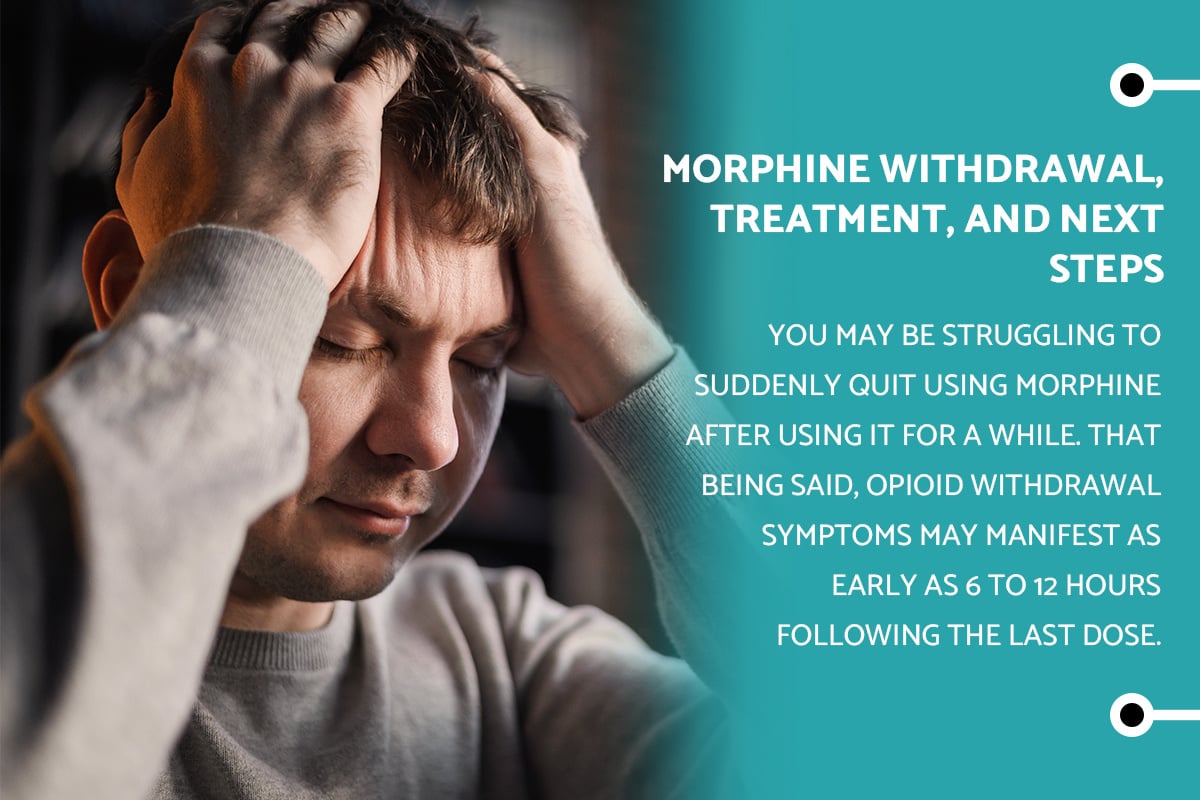
Opioid dependence is a serious, crippling issue, but recovery is still possible. Through detoxification and inpatient or outpatient therapy, which helps lower the risk of recurrence, morphine withdrawal symptoms may well be managed.
Fortunately, several treatment centers around the country have had great success in assisting individuals with substance abuse to become sober.
Discuss with your healthcare provider to get an in-depth assessment of your morphine or heroin addiction and information about the first step in your recovery journey.
Overcoming Morphine Addiction
Watching a loved one struggle with morphine addiction can be heart-wrenching, and trying to get them the help they need may feel overwhelming. Anybody who has experienced and witnessed addiction knows how difficult it is, and the first crucial step in the recovery process is to ask for help.
Due to the challenging nature of opiate addiction and the severe side effects associated with morphine addiction and withdrawal, achieving sobriety often requires medical intervention through inpatient or outpatient care.
With the assistance of medical experts in a structured setting, users frequently find it simpler to get through the challenging withdrawal symptoms and stop using morphine permanently.
Treatment Options For Morphine Addiction
There are two main types of treatment used for morphine addiction: inpatient treatment, in which the patient lives at the facility, and outpatient treatment, in which the patient stays in their own home (or a sober living home).
Inpatient treatment programs require patients to enroll themselves in a controlled setting to address substance use or alcohol use disorder, co-occurring mental disorders, and other behaviors that may be causing them problems.
Outpatient treatment is another phase that enables you to continue receiving addiction treatment while living at home or in a sober living home. Patients often live in a sober living home and continue attending outpatient treatment at an outpatient facility.
Most patients start their therapy at an inpatient facility before moving on to a sober living home. Some patients require ongoing structure and support, which they can receive from outpatient treatment. In this case, inpatient facilities may refer patients to outpatient facilities to continue therapy.
Finding treatment may seem daunting, especially with many treatment centers available. Thankfully, some professionals can guide you or a loved one toward rehabilitation. For additional information, speak with your doctor.
Get Started on the Road to Recovery.
A sober living home serves as a link between an inpatient treatment center and the outside world.
You may struggle to adjust to normal life after leaving inpatient treatment and returning home. Sober living houses provide an in-between rehabilitation alternative that allows you to practice and apply the lessons you learned in inpatient rehab.
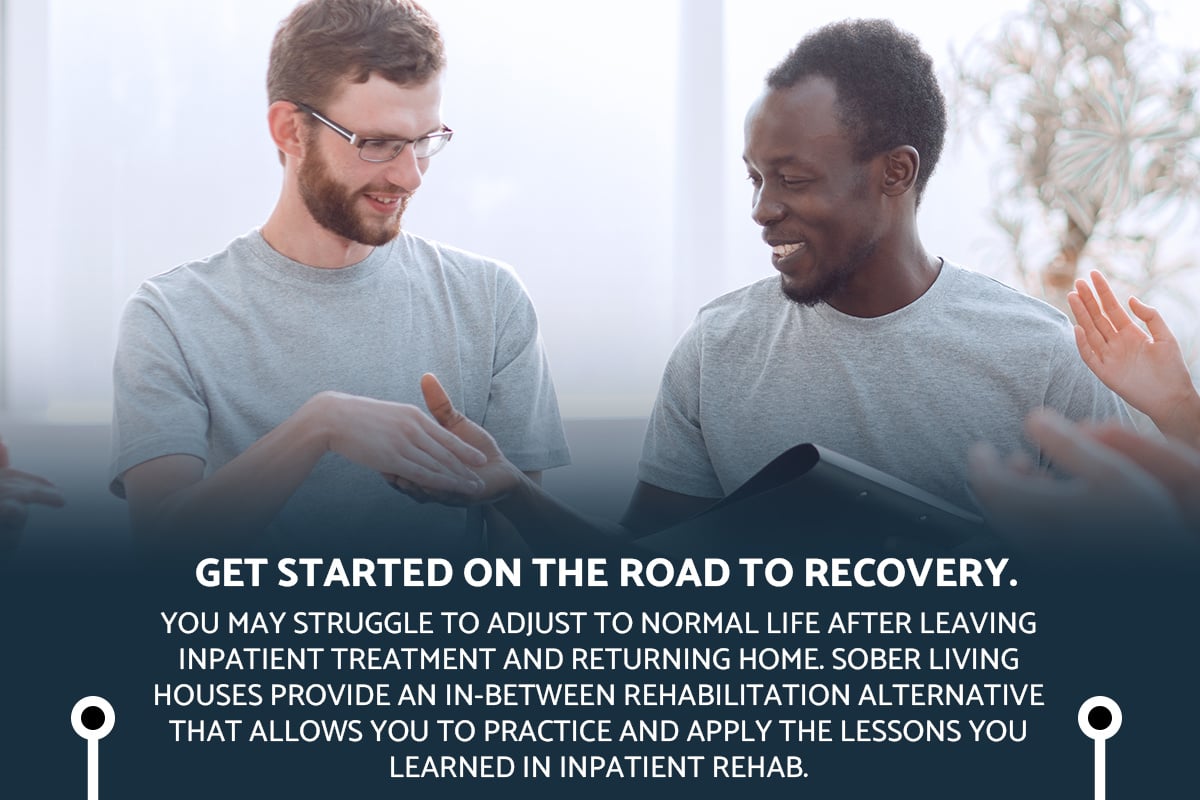
Design for Recovery sober living homes are drug and alcohol-free environments where people can maintain sobriety. Through peer support, peer empowerment, established recovery principles, and individual responsibility, residents can maintain long-lasting sobriety and prepare to transition back into living with their families or independently.
Opioid Addiction: Take Your Life Back at Design for Recovery
At Design for Recovery sober living our goal is to offer a structured, substance‑free home environment that helps residents move away from drug‑using surroundings and build a stable daily routine that supports their recovery goals.
Design for Recovery balances resident independence with structure, peer accountability, and staff support that are appropriate for a sober living home, while residents receive any needed medical or therapeutic care from outside licensed providers.
Residents have the chance to develop healthy, supportive relationships. By committing to a sober lifestyle and engaging in recovery activities, many residents work toward making sound life choices and growing in ways that are meaningful to them.
You are not Alone. We are Here to Support you on your Sober Living Journey.
We at Design For Recovery are dedicated to assisting you or your loved one in leading a productive life free from drug and alcohol addiction. Our compassionate team will be at your side to guide you through our sober living structure, including house expectations, peer support, and recovery‑focused activities.
You may contact us if you or someone you care about is battling addiction.
- What is Morphine?
- What Does Morphine Do Inside Your Body?
- Symptoms of Morphine Addiction
- Morphine Addiction Statistics
- Morphine and Other Drugs
- The Effects of Geranylgeranylacetone on Morphine Treatment
- The Dangers Of Morphine
- Short-term Side Effects of Morphine
- Long-term Side Effects of Morphine
- Morphine Withdrawal, Treatment, and Next Steps
- Overcoming Morphine Addiction
- Treatment Options For Morphine Addiction
- Get Started on the Road to Recovery.
- Opioid Addiction: Take Your Life Back at Design for Recovery
- You are not Alone. We are Here to Support you on your Sober Living Journey.
Begin Lasting Sobriety Now!
Frequently Asked Questions
All insurance plans in the United States include coverage for treating addictions, mental health issues, and substance abuse. Health insurance companies are required by the Affordable Care Act to cover addiction treatment costs. This suggests that no matter which health insurance provider you choose, you can expect to receive coverage for addiction treatment.
Besides this requirement, insurance plans still differ regarding how long they will cover drug or alcohol rehab and even the rehabs they will pay for. Even so, ensuring that your health insurance covers any form of care or rehab facility you are considering is crucial.
For more information on what is covered in terms of your benefits for treatment, contact the insurance company or the rehab facility.
- Murphy, P.B., Bechmann, S., & Barrett, M.J. Morphine. (2022, June 20). In: StatPearls [Internet]. Treasure Island (FL): StatPearls Publishing; 2022 Jan-. Available from: https://www.ncbi.nlm.nih.gov/books/NBK526115/
- Kim, J., Ham, S., Hong, H., Moon, C., & Im, H. I. (2016). Brain Reward Circuits in Morphine Addiction. Molecules and cells, 39(9), 645–653. https://doi.org/10.14348/molcells.2016.0137
- United States Food and Drug Administration. (2016). Morphine Sulfate. https://www.accessdata.fda.gov/drugsatfda_docs/label/2016/204223s006lbl.pdf
- Drug Enforcement Administration. (2020). Morphine. https://www.dea.gov/sites/default/files/2020-06/Morphine-2020.pdf
- Azadfard M, Huecker MR, Leaming JM. Opioid Addiction. [Updated 2022 Sep 9]. In: StatPearls [Internet]. Treasure Island (FL): StatPearls Publishing; 2022 Jan-. Available from: https://www.ncbi.nlm.nih.gov/books/NBK448203/
- Guo, N., Zhang, X., & Bai, J., et al. (2018). Geranylgeranylacetone blocks the reinstatement of morphine-conditioned place preference. Neuropharmacology, 143, 63–70. https://doi.org/10.1016/j.neuropharm.2018.09.027
- Opioids. (2020). In LiverTox: Clinical and Research Information on Drug-Induced Liver Injury. National Institute of Diabetes and Digestive and Kidney Diseases.
- https://www.cdc.gov/museum/education/newsletter/2022/july/index.html
- https://www.cdc.gov/overdose-prevention/hcp/clinical-guidance/index.html
Learn to live a Sober, Vibrant & Substance-Free Life
Tough days might come, but with our supportive sober community, you're never alone.
We're here to provide guidance and support for anyone on their sober living journey.
Our success stories stand testament.
Have a confidential chat with our team about admission details, house guidelines, and community support.