 (424) 242-1130
Opioid addiction is a massive problem that can have devastating consequences. According to the National Institute on Drug Abuse (NIDA), a little over 115 people in the United States die every single day from an opioid overdose.
Opioids are a specific class of drugs that include heroin and prescription pain relievers such as oxycodone, hydrocodone, codeine, and morphine. Doctors generally prescribe them to help patients manage pain. However, these drugs can be highly addictive and even dangerous when misused.
Opioid addiction is a serious problem contributing to the rise in overdose deaths in the United States. According to the Centers for Disease Control and Prevention, over 932,000 people have died from drug overdoses since 1999. Opioids were involved in 75% of these drug overdose deaths in 2020.
In this post, we will go over everything you need to know about Opioid Addiction. This will include its causes, symptoms, and opioid addiction treatment options. So if you think you or someone close to you is going through it, you’ll know exactly what to do.

What are Opioids?
Opioids are types of drugs that include heroin and prescription pain relievers such as oxycodone, hydrocodone, codeine, and morphine. Opioid medications work by binding to opioid receptors in the brain and other organs in the body, which reduces pain signals.
While opioid medications can be effective at treating pain, they can also be highly addictive. Thousands of people die each year from opioid misuse and even more suffer from addiction. That’s why it’s important that you know the risks before taking opioid drugs.
What are the Risk Factors for Developing an Opioid Addiction?
Opioid addiction doesn’t happen overnight. It usually begins with a mix of personal, medical, and environmental factors that make someone more vulnerable to developing dependency.
Some causes for developing opioid addiction include:
Prescription Pain Medications:
One of the most common causes of opioid addiction starts with pain relief. Many people are prescribed opioids after surgery or injury, but over time, the body builds a tolerance.
This means higher doses are needed to feel the same relief, which can quickly lead to misuse.
According to the National Institute on Drug Abuse (NIDA), roughly half of people who use prescription opioids for non-medical reasons get them from a friend or family member.
Chronic Pain:
People suffering from ongoing pain are often prescribed opioids for long periods. The longer these medications are used, the greater the risk of developing physical dependence and addiction.
Mental Health Disorders:
Conditions like anxiety, depression, or trauma can increase vulnerability to opioid misuse. Some people use opioids to cope with emotional distress, which can become a dangerous cycle of self-medication and dependency.
Family History and Genetics:
Addiction can run in families. If a close relative struggles with opioid or substance use, your genetic makeup might make you more prone to addiction as well.
Previous Substance Use:
Anyone who has battled addiction in the past is at a higher risk of developing an opioid use disorder again. Relapse risk is particularly strong when old triggers or stressors resurface.
Heroin and Illicit Opioids:
Some turn to heroin because it’s cheaper or easier to access than prescription opioids. Heroin is much more potent and addictive, greatly increasing the risk of overdose.
Opioid addiction often stems from a combination of physical pain, emotional struggles, and environmental influences.
Recognizing these risk factors early can help you or a loved one take steps toward prevention and treatment before the addiction deepens.
Chronic Pain:
People who have chronic pain are usually at a higher risk of developing opioid addiction. This is because they may be more likely to be prescribed opioids for pain relief.
Mental Health Disorders:
People with mental health conditions like anxiety and depression are also at a higher risk of developing opioid addiction. This is because they may be self-medicating with opioids.
Family History:
If you have a family member who is addicted to opioids, you’re more likely to develop an addiction yourself. This is because addiction is often genetic.
Previous Addiction:
If you’ve previously struggled with addiction, you’re more likely to develop an opioid addiction. This is because you’re more likely to relapse.
What Are The Symptoms of Opioid Addiction?
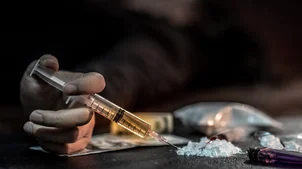
Opioid addiction can cause a number of physical and psychological symptoms. Not everyone who uses opioids will experience all of these symptoms, but they may include:
Increased Tolerance to the Drug:
This means that you need larger doses to get the same effect. This is a common sign of addiction. If you notice that you’re taking opioids more than you used to, it’s important to involve your doctor right away to see if you’re experiencing drug tolerance. If prescription opioid abuse has set in, you’ll need help to get off the drug.
Withdrawal Symptoms:
If you try to quit opioids suddenly, you may experience substance abuse withdrawal symptoms such as anxiety, sweating, shaking, and nausea. These symptoms can be intense and even dangerous. It’s important to detox under medical supervision to avoid any complications.
Withdrawal can be incredibly painful, but there are medications that can help to ease the symptoms, which is why it’s a good idea to reach out for help so you can have the easiest time possible through your withdrawal.
Changes in Mood:
Opioid use disorder can cause changes in mood, such as irritability, anger, and depression. You may also notice changes in your sleep patterns and eating habits. It is possible that you see these changes and find that even though you’re trying to do better, you’re unable to help the situation. These changes can be a sign that something is wrong and that you need help.
Loss of Interest in Activities:
If you used to enjoy hobbies or hanging out with friends and family members, but now you can’t seem to muster up the interest, it’s a sign that opioids may be taking over your life.
Changes in Appearance:
Opioid addiction can cause changes in appearance, such as weight loss or gain, dark circles under the eyes, and a generally unkempt appearance. If you notice any of these changes in yourself or someone you love, it’s important to reach out for help.
Cravings:
You may start to crave opioids when you’re not using them. This can be a sign that you’re addicted and that you need help to quit. This one might not be so apparent at first. You might think that you just want the drug because it makes you feel good.
Neglecting Responsibilities:
If you find that you’re neglecting your responsibilities at home, work, or school, it’s a sign that opioids are starting to take over your life. If you’re unable to get back to normal life on your own, it’s a sign that the drug might’ve just taken over.
Isolation:
Opioid addiction can cause you to isolate yourself from friends and family. You may start to withdraw from social activities and spend more time alone. This isolation can make it harder to get help for your addiction. If you notice that you’re isolating yourself, it’s important to reach out for help.
If you or someone you know is displaying these opioid abuse predictors and symptoms, it’s important to get help to curb opioid abuse as soon as possible. Opioid addiction is a difficult disease to overcome.
It can be hard to admit that you have a problem and even harder to find the help you need.
Ways To Deal With An Opioid Addiction

If you or someone you know is struggling with opioid addiction, there are ways to get help. Here are some common types of treatment for opioid addiction:
- Medication-Assisted Treatment: This is a treatment that uses medication to help people recover from addiction. Medications such as buprenorphine and methadone can help to reduce cravings and withdrawal symptoms. With this treatment, people are also often given counseling and therapy to help them recover.
- Inpatient Treatment: This is a treatment where people live at a facility for a certain period of time to receive treatment. This can be very helpful for people who need 24/7 care. During inpatient treatment, people will receive detoxification, medication, counseling, and therapy.
- Outpatient Treatment: This is a treatment where people don’t have to live at the facility, but they do attend treatment regularly. This is great for people who need more flexibility. During outpatient treatment, people will receive detoxification, medication, counseling, and therapy.
- Behavioral Therapy: This is one of the types of therapy that can help people to change their behavior. It can be used to treat mental health disorders such as anxiety and depression. It can also help people to learn new coping skills. During behavioral therapy, people will talk to a therapist about their thoughts and feelings. With that information, the therapist can create a treatment plan that would eventually help the person to change their behavior.
- Support Groups: There are many support groups that are available for people struggling with addiction. These groups can provide emotional support and help people to stay on track with their recovery. It’s an environment where people can share their experiences and help each other to recover. There’s no judgment and is a space for people to talk openly about their addiction and recovery.
- There are many different types of support groups, such as:
- Alcoholics Anonymous (AA)
- Narcotics Anonymous (NA)
- SMART Recovery
- Women for Sobriety (WFS)
- SOS Sobriety: Some of these groups are faith-based, but not all of them. There are also groups that focus on specific types of addiction, such as gambling or food addiction. So it’s important that you check out the support groups in your area to see if you can find one that works for your needs.
- Rehab: Rehab is a type of treatment that can provide people with intensive therapy and support. It can be for a couple of weeks or longer, depending on the needs of the individual. Rehab can be great for people who find themselves struggling with addiction. It can provide them with the tools they need to recover and stay sober.
- Self-Help: There are many different types of self-help available for people struggling with addiction. These resources can provide support and help people they may need to stay on track with their recovery. Some of the most common types of self-help are:
- Podcasts: There are lots of podcasts available on addiction and recovery. Some of these are interviews with experts in the field, while others are more like audio diaries from people who are struggling with addiction. Listening to podcasts can be a great way to learn more about addiction and recovery and find inspiration and hope.
- Books: There are great books available on addiction and recovery. Reading about the experiences of others can be very helpful and can provide valuable insight and information.
- Internet Resources: There are many different types of websites and online resources available on addiction and recovery. These can be a very nice way to learn more about addiction and recovery and to find support and information.
There are a bunch of different types of treatment available for people struggling with opioid abuse. It’s important to find a treatment that will work for you. If you’re not sure what type of treatment you need, you can talk to your doctor or mental health professional. They will definitely be able to help you figure out what type of treatment is right for you.
Sustaining Your Recovery: Relapse Prevention, Peer Support & Aftercare
Recovery from opioid addiction is an ongoing process that thrives with comprehensive aftercare. After initial detox or rehab, structured support prevents isolation and builds resilience, helping you navigate life's challenges without relapse.
Preventing Relapse
Recognize triggers such as stress, environmental cues, or emotional lows early. Build a toolkit with cognitive behavioral techniques, daily journaling, and contingency planning.
Leveraging Peer Support
Groups like Narcotics Anonymous (NA), SMART Recovery, or Refuge Recovery provide vital support. Weekly meetings foster accountability, reduce shame, and offer real-world advice from those who've overcome similar struggles. Online forums extend this network for busy schedules.
Comprehensive Aftercare Planning
Aftercare bridges treatment to everyday life through follow-up counseling, medication management, and life skills workshops.
Thriving in Sober Living
Sober living homes extend aftercare in a structured, drug-free environment. With house meetings, chore rotations, and peer accountability, residents rebuild routines.
Ready to Thrive in Sober Living?
Contact Design for Recovery today. Our sober living homes provide the aftercare structure and support you need, schedule a call to discuss your personalized path forward.
- What are Opioids?
- What are the Risk Factors for Developing an Opioid Addiction?
- Chronic Pain:
- Mental Health Disorders:
- Family History:
- Previous Addiction:
- What Are The Symptoms of Opioid Addiction?
- Increased Tolerance to the Drug:
- Withdrawal Symptoms:
- Changes in Mood:
- Loss of Interest in Activities:
- Changes in Appearance:
- Cravings:
- Neglecting Responsibilities:
- Isolation:
- Ways To Deal With An Opioid Addiction
- Sustaining Your Recovery: Relapse Prevention, Peer Support & Aftercare
Begin Lasting Sobriety Now!
Learn to live a Sober, Vibrant & Substance-Free Life
Tough days might come, but with our supportive sober community, you're never alone.
We're here to provide guidance and support for anyone on their sober living journey.
Our success stories stand testament.
Have a confidential chat with our team about admission details, house guidelines, and community support.